
Không có trích dẫn vì bài này được bảo vệ.
Bảo vệ: FM-010
Không có trích dẫn vì bài này được bảo vệ.

Autoimmune diseases, also known as autoimmune disorders, are conditions where the body’s immune system mistakenly reacts and attacks its own cells and tissues as if they were foreign objects. As a result, autoimmune diseases can occur in any part of the body, leading to various symptoms. Some common autoimmune diseases include lupus, rheumatoid arthritis, inflammatory…

Erectile dysfunction (ED) is the inability to achieve and maintain an erection suitable for sexual intercourse. It is estimated that about 1 in 10 adult men will experience ED in their lives, mainly affecting men over the age of 40. The incidence of ED is 1-10% in men younger than 40 years of age [1]….
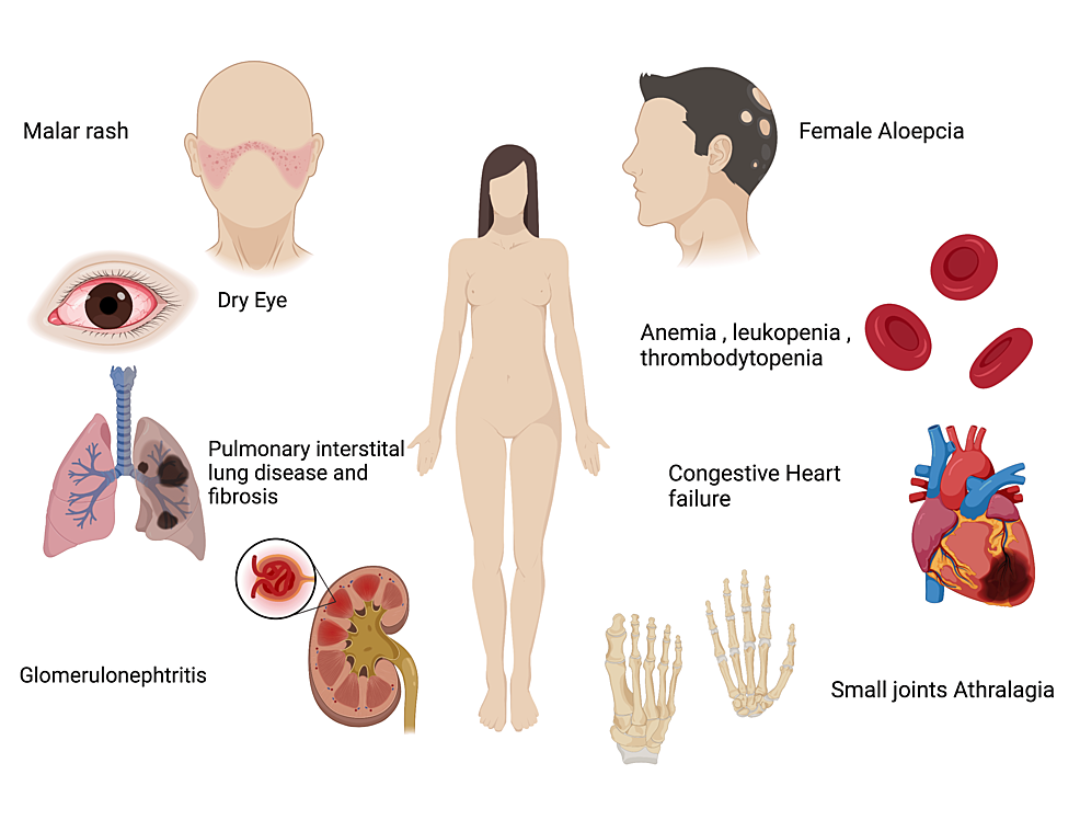
An abnormal immune response that causes inflammation and damage to target tissues or organs, such as the skin, kidneys, joints, and muscles, causes systemic autoimmune diseases [1]. Systemic lupus erythematosus (SLE) is a multisystem, multiorgan-damaging, and potentially fatal autoimmune disease characterized by the activation and proliferation of T cells and B cells [2]. Due to…
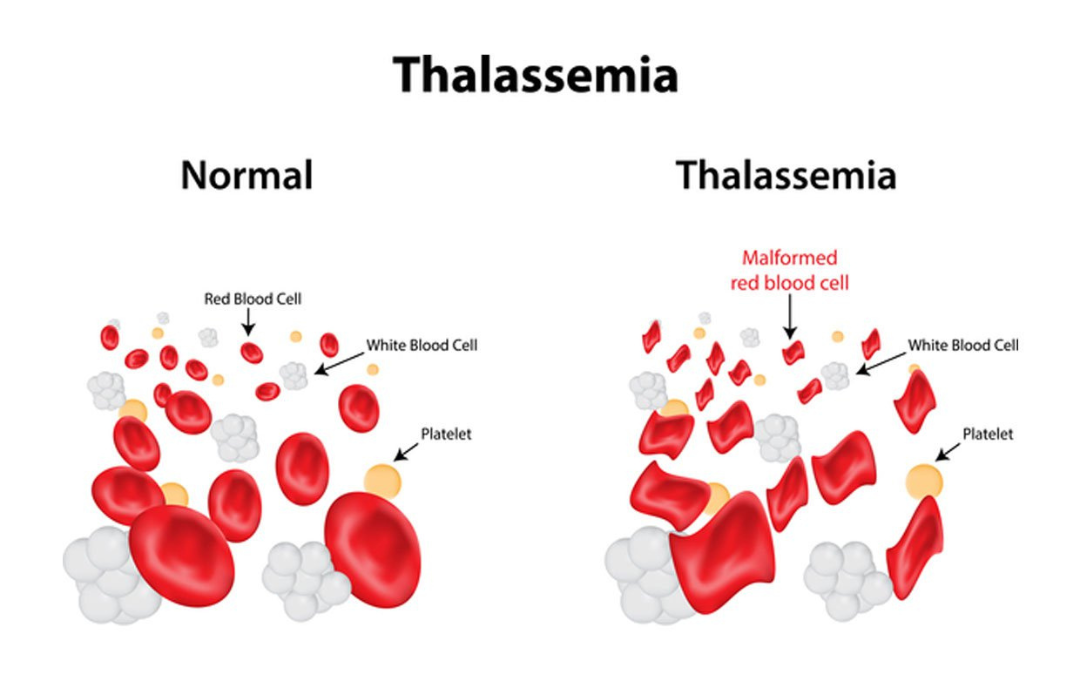
Thalassemia is a genetic hemolytic anemia. The disease mechanism affects the synthesis of globin chains in patients [1,2]. The cause of thalassemia is the unbalanced production of globin chains, resulting in ineffective erythropoiesis and increased hemolysis. While the carrier of the gene may not have symptoms, patients with severe thalassemia require regular blood transfusions and…

Stroke can lead to death or permanent disability, debilitate the human body, impaired mobility and cognition, and leave a tremendous burden on the patient’s family and society [1]. Initial intervention measures such as surgery and the use of special medicines have had certain effectiveness. However, long-term intervention may still be required, even lifelong treatment. After…