
Leukemia treatment using umbilical cord stem cells
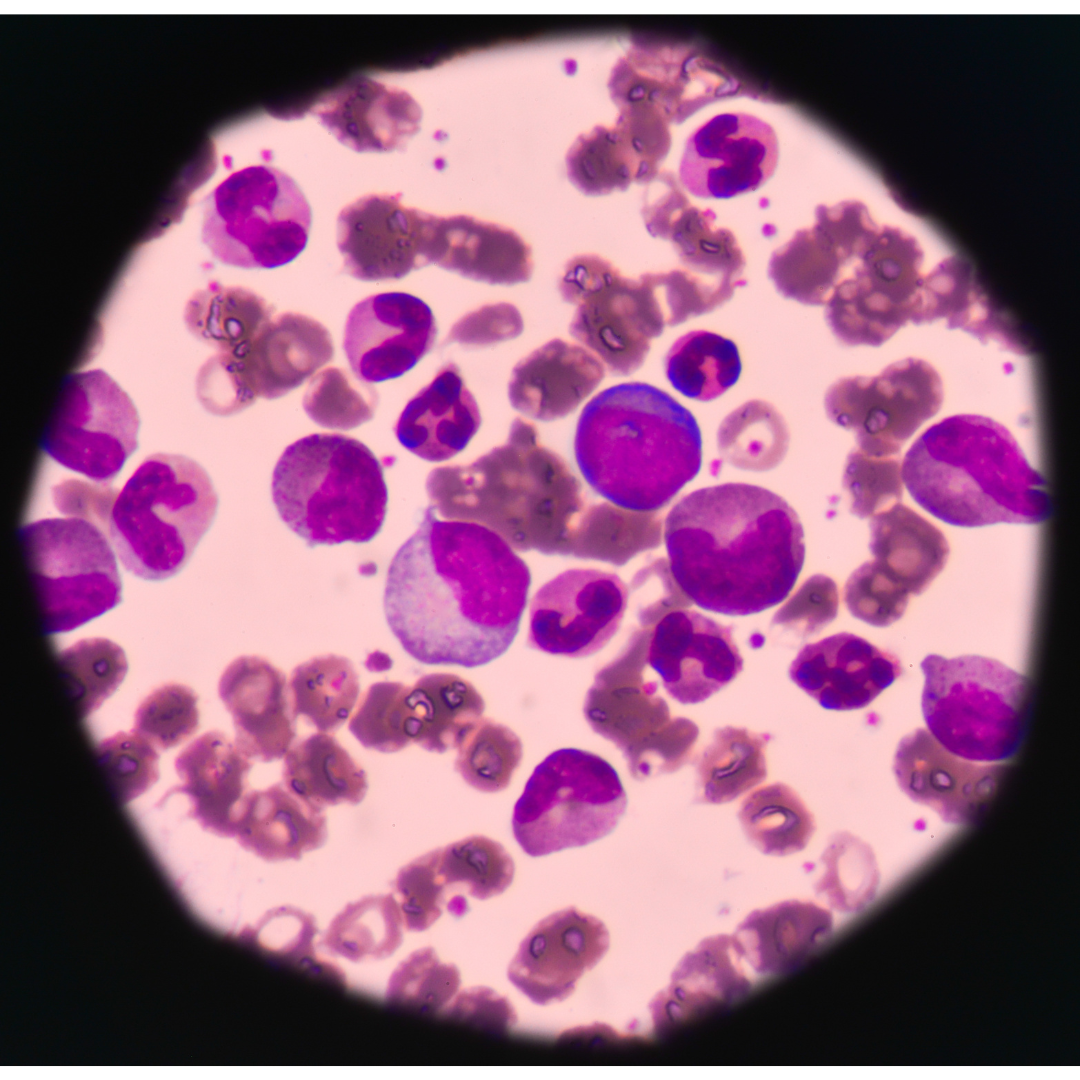
Leukemia is a type of malignant cancer of hematopoietic cells. According to the American Cancer Society, they often classify leukemia into acute myeloid leukemia (AML), 33%; Acute lymphoblastic leukemia (ALL), 10%; Chronic myeloid leukemia (CML), 14%; Chronic lymphocytic leukemia (CLL), 35%; Other leukemia, 8%. The number of leukemia cases has increased significantly, from 297,000 to 437,033 worldwide, affecting much of the world’s population [1,2]. The American Cancer Society estimates that in the United States, in 2022, there will be approximately 61,000 new cases of leukemia (all types) in adults and children and about 24,000 deaths [3]. Chemotherapy and radiotherapy can be useful for a certain period, but there is still a high risk of disease recurrence. The mortality rate of leukemia has increased, so there is a need to gain a greater understanding of alternative or supportive treatments when using chemotherapy or radiotherapy. Stem cell therapy is one of the best candidates for treating such hematological malignancies.
Using umbilical cord stem cells in leukemia treatment
Umbilical cord blood stem cell transplantation is a promising alternative for patients with acute leukemia who require autologous or allogeneic stem cell transplantation with a human leukocyte antigen (HLA) match. Studies worldwide have shown that suitable umbilical cord stem cell units can treat leukemia to children and adults [4]. However, umbilical cord stem cell transplantation has some limitations, such as increased early mortality and slow recovery of hematopoietic and immune cell lines. The cause may be because of the inappropriate number of TNC and CD34+ per kg of body weight. Therefore, researchers have compiled statistics retrospectively on transplant cases to present clinical data on umbilical cord stem cell transplantation in the most appropriate and effective way. This may lead to better outcomes in leukemia patients to increase hematopoiesis and reduce mortality.
Hematopoietic stem cell transplantation from HLA-matched donors is increasingly used to treat diseases, including malignant or non-malignant hematological disorders [4,5]. There are few stem cell transplants from donors in the same family. Therefore, the need for stem cells from the community is still high. Community banks worldwide store approximately 800,000 units, and researchers estimate that more than 40,000 umbilical cord stem cells have been utilized in both children and adults to treat various diseases [6,7]. Compared with bone marrow and peripheral blood stem cell transplantation, the use of umbilical cord stem cells offers several potential benefits, including ease and safety of blood collection and hematopoiesis and reduced risk of infection [8].
Umbilical cord stem cell transplantation in children with leukemia
They rarely perform umbilical cord stem cell transplantation in children. Therefore, the number of studies reporting outcomes of leukemia in children using unrelated umbilical cord stem cell transplantation is relatively small. According to Eurocord statistics, 147 pediatric patients with malignant tumors, the majority with acute lymphoblastic leukemia (ALL), received umbilical cord stem cell transplants from HLA-suitable donors with an average patient age of 5 years [9]. The results encourage the use of unrelated umbilical cord stem cells. Therefore, community umbilical cord stem cell banks are high in need. It established the first public cord blood bank about 30 years ago. Since then, the number of children receiving umbilical cord stem cell transplants has increased thanks to several advantages of umbilical cord stem cell banks, such as quick procurement, ease of acceptance of greater HLA disparity, and lower incidence of graft-versus-host disease (GVHD). [10].
Umbilical cord stem cell transplantation in adults with leukemia
Initially, doctors applied umbilical cord stem cell transplantation in children, mainly because of problems related to the limited cell dose per kilogram of recipient body weight. However, in recent years, advances in donor selection, better supportive care, and higher doses of transfused cells have led to better survival rates in adult patients [10,11].
In Japan, the use of umbilical cord blood transplants for adults with acute myeloid leukemia (AML) has brought many positive outcomes. Authors reported in a study of 1355 adults with acute myeloid leukemia with one or two cord blood unit transplants. They applied the transplant dose with an initial target of a minimum TNC of 2.0 × 10⁷/kg body weight and at least 4/6 HLA matching [12]. The trial brought low death and recurrence rates. The researchers expressed their endorsement of the belief that TNC beyond the minimum requirement, set at 2.0 × 10⁷/kg body weight, may not enhance outcomes. Therefore, using two or more suitable cord blood units in the same transplant can reduce graft failure rate because of the early progression of AML, preventing neutrophil formation.
The future of umbilical cord stem cell transplantation in leukemia treatment
Umbilical cord stem cell transplantation has developed significantly over the past 30 years and provides a suitable alternative to conventional stem cell transplantation when a donor is not available at the time of transplantation. Umbilical cord stem cells offer the advantages of availability, no risk to the donor, and reduced incidence of GVHD. In children and adults with malignant tumors, some studies show that umbilical cord stem cell transplantation brought similar outcomes to other sources of stem cells. In adult recipients, using umbilical cord stem cell grafts of two or more units with adequacy for transplantation overcomes problems related to the dose of transfused cells. However, researchers and scientists need to carry out more research and trials to improve graft effectiveness and enhance immune recovery.
Reference
- Mishra, Sonali, Lokesh Sharma, Bansidhar Majhi, and Pankaj Kumar Sa. “Microscopic image classification using DCT for the detection of acute lymphoblastic leukemia (ALL).” In Proceedings of International Conference on Computer Vision and Image Processing, pp. 171-180. Springer, Singapore, 2017.
- Bawazir, Amen, Nouf Al-Zamel, Abeer Amen, Maaged A. Akiel, Naif M. Alhawiti, and Ali Alshehri. “The burden of leukemia in the Kingdom of Saudi Arabia: 15 years period (1999–2013).” BMC cancer19, no. 1 (2019): 1-10.
- https://cancerstosystemcenter.cancer.org/
- Yanada, Masamitsu, Takaaki Konuma, Yachiyo Kuwatsuka, Tadakazu Kondo, Takahito Kawata, Satoshi Takahashi, Naoyuki Uchida et al. “Unit selection for umbilical cord blood transplantation for adults with acute myeloid leukemia in complete remission: a Japanese experience.” Bone Marrow Transplantation54, no. 11 (2019): 1789-1798.
- Rocha, Vanderson, and Franco Locatelli. “Searching for alternative hematopoietic stem cell donors for pediatric patients.” Bone marrow transplantation41, no. 2 (2008): 207-214.
- Mayani, Hector, John E. Wagner, and Hal E. Broxmeyer. “Cord blood research, banking, and transplantation: achievements, challenges, and perspectives.” Bone marrow transplantation55, no. 1 (2020): 48-61.
- Gupta, Ashish O., and John E. Wagner. “Umbilical cord blood transplants: Current status and evolving therapies.” Frontiers in Pediatrics8 (2020): 570282.
- Oran, Betul, and Elizabeth Shpall. “Umbilical cord blood transplantation: a maturing technology.” Hematology 2010, the American Society of Hematology Education Program Book2012, no. 1 (2012): 215-222.
- Herr, Andrée-Laure, Nabil Kabbara, Carmem MS Bonfim, Pierre Teira, Franco Locatelli, Karin Tiedemann, Arjan Lankester et al. “Long-term follow-up and factors influencing outcomes after related HLA-identical cord blood transplantation for patients with malignancies: an analysis on behalf of Eurocord-EBMT.” Blood, The Journal of the American Society of Hematology116, no. 11 (2010): 1849-1856.
- Balligand, Laura, Claire Galambrun, Anne Sirvent, Clémence Roux, Cécile Pochon, Bénédicte Bruno, Charlotte Jubert et al. “Single-unit versus double-unit umbilical cord blood transplantation in children and young adults with residual leukemic disease.” Biology of Blood and Marrow Transplantation25, no. 4 (2019): 734-742.
- Terakura, Seitaro, Tetsuya Nishida, Masashi Sawa, Tomonori Kato, Kotaro Miyao, Yukiyasu Ozawa, Akio Kohno et al. “Prospective phase 2 study of umbilical cord blood transplantation in adult acute leukemia and myelodysplastic syndrome.” Biology of Blood and Marrow Transplantation26, no. 1 (2020): 139-144.
- Yanada, Masamitsu, Takaaki Konuma, Yachiyo Kuwatsuka, Tadakazu Kondo, Takahito Kawata, Satoshi Takahashi, Naoyuki Uchida et al. “Unit selection for umbilical cord blood transplantation for adults with acute myeloid leukemia in complete remission: a Japanese experience.” Bone Marrow Transplantation54, no. 11 (2019): 1789-1798.