
Probiotics Applications in Diarrhea Treatment
Diarrhea is considered one of the most common digestive disorders. According to the World Health Organization (WHO), diarrhea is the second leading cause of death in children under 5, claiming the lives of approximately 1.5 million children each year. Passing loose or watery stools three or more times a day characterizes diarrhea [1]. Diarrhea can be a symptom of gastrointestinal infections caused by various microorganisms, such as viruses, bacteria, and parasites. Most cases of diarrhea resolve on their own without the need for antibiotics [2]. Regardless of the cause, healthcare professionals primarily treat diarrhea by replacing fluids to restore lost nutrients and reduce the duration of the condition. While fluid replacement reduces the risk of dehydration and death, it does not have an effect on shortening the duration of diarrhea and vomiting.
Researchers believe that probiotics can prevent and treat certain types of diarrhea caused by various factors. People often call probiotics “good bacteria” that can provide many health benefits when used. The use of probiotic microorganisms to prevent or treat digestive disorders is a common approach [2].
The Relationship Between Gut Microorganisms and Diarrhea
Intestinal microorganisms (microbiota) are a system of microorganisms living in the intestines of humans and animals (Figure 1), playing a crucial role in maintaining the health and function of the digestive system [2]. Some types of bacteria in the gut also act against the development of disease-causing bacteria.
Researchers consider the relationship between gut microorganisms and diarrhea a significant issue in medicine. Studies indicate that changes in the structure and activity of gut microorganisms contribute to the development of diarrhea. For example, some studies suggest that when a patient uses antibiotics, it compromises the gut microbiota, leading to a strong proliferation of the bacterium Clostridium difficile [3]. The growth of this bacterial strain leads to severe and dangerous diarrhea. The use of probiotics helps maintain the balance and diversity of gut microorganisms, which is a crucial factor in preventing and treating diarrhea.
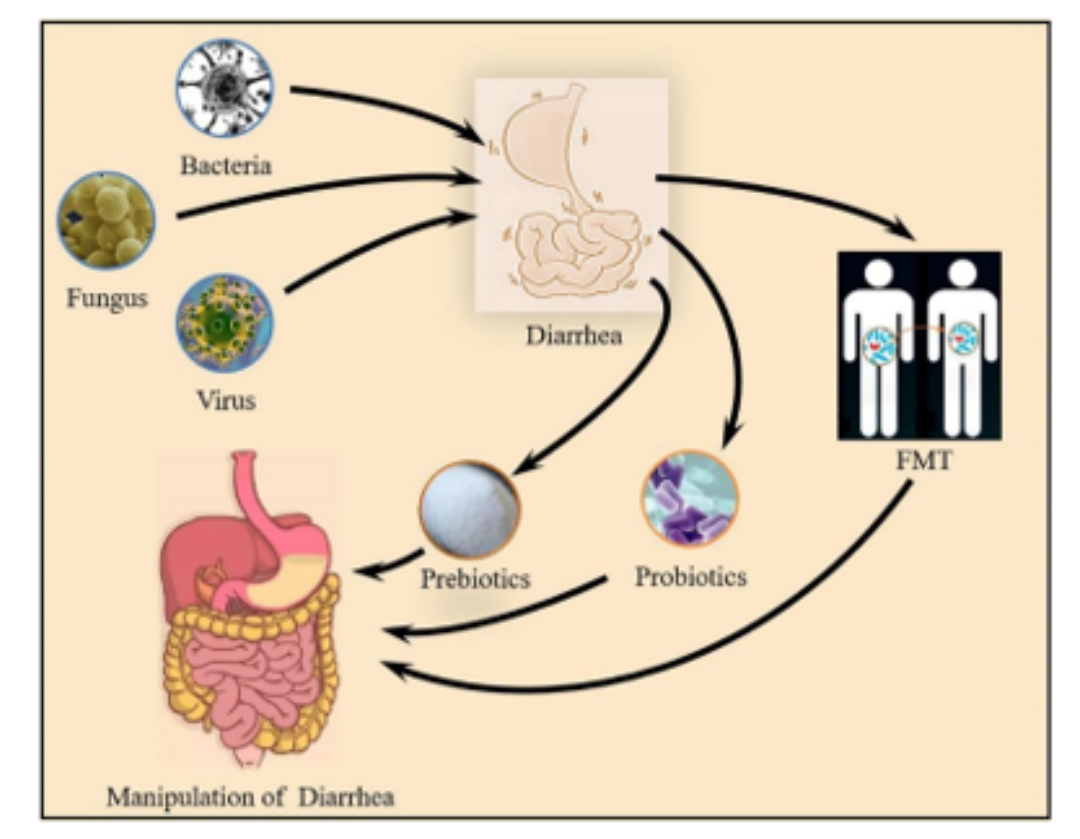
Figure 1: The Relationship between Microorganisms in the Body and Diarrhea
Lifestyle Changing and Medication Combined for Diarrhea Treatment/Management
The primary treatment method for patients with diarrhea is fluid and electrolyte supplementation [4]. In severe cases of diarrhea, intravenous electrolyte replacement may be necessary. Medications such as anti-secretory or anti-motility drugs can be used to reduce the frequency of bowel movements. However, adults with bloody diarrhea or high fever should avoid using them as they may worsen intestinal infection. If patients have severe symptoms, doctors may consider oral antibiotic therapy. Patients with acute diarrhea are recommended to take probiotic supplementation as it has been shown to reduce the severity and duration of symptoms [5].
Probiotic Mechanism and Clinical Trials
Many probiotic microorganisms produce Bacteriocins (antibacterial substances that are peptides synthesized in the ribosomes of both Gram-negative and Gram-positive bacteria), limiting the growth or pathogenicity of similar strains. Beneficial bacterial activities include the production of lactic acid, short-chain fatty acids, and hydrogen peroxide, which lower the pH in the intestine and contribute to creating an unfriendly environment for potentially harmful species (Figure 2). Some bioactive compounds, such as proteases produced by Saccharomyces boulardii, have been shown to reduce toxins produced by Clostridium difficile, Vibrio cholera, or Escherichia coli [6]. Additionally, ß-galactosidase enzymes produced by lactobacilli may be helpful in preventing diarrhea in individuals deficient in this enzyme [7]. Probiotics, including certain Lactobacillus strains, have been demonstrated to stimulate Paneth cells to produce cationic proteins that can insert into bacterial membranes to form bactericidal substances [8]. Furthermore, adaptive immune responses have been shown to be influenced by the presence of beneficial bacteria, some of which stimulate immunoglobulin production and regulate the development and activity of T lymphocytes [2].
Viral agents are a common cause of acute diarrhea in children worldwide, with Rotavirus being the most prevalent. In a 2010 study by Allen, S. In their study, Martinez and colleagues demonstrated that probiotics containing Lactobacillus decrease the duration of diarrhea and the frequency of bowel movements [9]. Grandy and colleagues demonstrated that the combination of S. boulardii and Lactobacillus reduced the duration of rotavirus-induced diarrhea [10]. A study in India also noted a reduction in diarrhea by using products containing Lactobacillus casei Shirota [11]. Furthermore, a study using a mixture of strains, including Lactobacillus acidophilus, Lactobacillus bulgaricus, Bifidobacterium bifidum, and Streptococcus thermophilus, reduced the incidence of diarrhea in travelers [12].
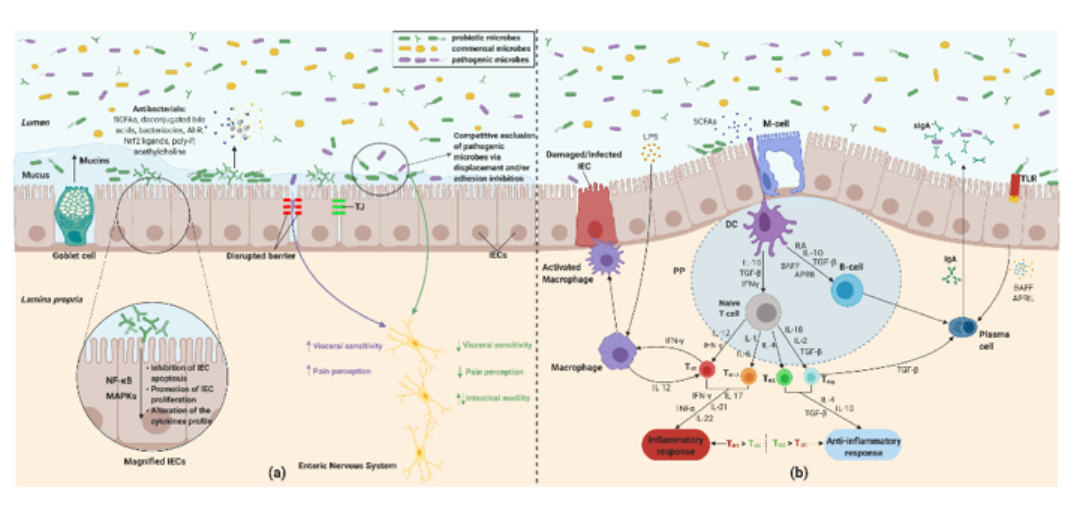
Figure 2: Impact of Probiotics on the Intestines
The prospects of probiotic technology in the treatment of diarrhea are significant. Research has demonstrated that probiotics can help balance the gut microbiota, improve digestive function, reduce inflammation, and enhance the immune system. Additionally, probiotics can reduce the frequency and duration of diarrhea episodes. Over the years, various types of probiotics have been studied for diarrhea treatment, including Lactobacillus, Bifidobacterium, and Streptococcus thermophilus. Ongoing research aims to understand different probiotic strains and how they can be optimally utilized for diarrhea treatment. However, it is essential to note that probiotics are not a standalone method for treating diarrhea. It is important to note that doctors often combine them with other treatment methods, such as adequate fluid intake, certain antibiotics, and a healthy diet.
References:
- Walker, Christa L. Fischer, et al. “Global burden of childhood pneumonia and diarrhoea.” The Lancet9875 (2013): 1405-1416.
- Mandal, Anirban, and Puneet Kaur Sahi. “Probiotics for diarrhea in children.” Journal of Medical Research and Innovation2 (2017): AV5-AV12.
- Seekatz, Anna M., and Vincent B. Young. “Clostridium difficile and the microbiota.” The Journal of clinical investigation10 (2014): 4182-4189.
- Gauchan, E., and K. K. Malla. “Relationship of Renal Function Tests and Electrolyte Levels with Severity of Dehydration in Acute Diarrhea.” Journal of Nepal Health Research Council(2015).
- Nemeth, Valerie. and Nicholas Pfleghaar. “Diarrhea.” StatPearls, StatPearls Publishing, 21 November 2022.
- Castagliuolo, Ignazio, et al. “Saccharomyces boulardii protease inhibits the effects of Clostridium difficile toxins A and B in human colonic mucosa.” Infection and immunity1 (1999): 302-307.
- de Vrese, Michael, et al. “Probiotics—compensation for lactase insufficiency.” The American journal of clinical nutrition2 (2001): 421s-429s.
- Hill, Colin, et al. “Expert consensus document: The International Scientific Association for Probiotics and Prebiotics consensus statement on the scope and appropriate use of the term probiotic.” Nature reviews Gastroenterology & hepatology(2014).
- Allen, Stephen J., et al. “Probiotics for treating acute infectious diarrhoea.” Sao Paulo Medical Journal129 (2011): 185-185.
- Grandy, Giuseppe, et al. “Probiotics in the treatment of acute rotavirus diarrhoea. A randomized, double-blind, controlled trial using two different probiotic preparations in Bolivian children.” BMC infectious diseases10 (2010): 1-7.
- Sur, D., et al. “Role of probiotic in preventing acute diarrhoea in children: a community-based, randomized, double-blind placebo-controlled field trial in an urban slum.” Epidemiology & Infection6 (2011): 919-926.
- Goldsmid, J. M. “Imported disease in Australia: an ongoing problem.” Travel Medicine: Proceedings of the First Conference on International Travel Medicine, Zürich, Switzerland, 5–8 April 1988. Springer Berlin Heidelberg, 1989.